What Is Kisspeptin
Kisspeptin-10 is a peptide derived from the naturally occurring kisspeptin signaling system that regulates reproductive hormone release. It plays a critical role in activating the hypothalamic pituitary–gonadal axis by stimulating the release of gonadotropin-releasing hormone (GnRH), which drives downstream hormone production.
How It Works
Kisspeptin activates receptors in the hypothalamus responsible for triggering the release of GnRH. This signal stimulates the pituitary gland to release luteinizing hormone (LH) and follicle- stimulating hormone (FSH), which then act on the gonads to support testosterone production and reproductive hormone balance.
Benefits
Benefits
- Kisspeptin may support healthy testosterone levels, reproductive function, and libido by stimulating natural hormone signaling pathways.
- It is often used in hormone optimization and fertility protocols to encourage endogenous hormone production while maintaining physiologic regulation of the endocrine system.
Safety Considerations
Kisspeptin is generally well tolerated. Possible side effects may include headache, flushing, nausea, or mild fatigue. Because kisspeptin directly influences reproductive hormone signaling, individuals with endocrine disorders or hormone-sensitive conditions should use it under clinician guidance.
Molecule / Formula
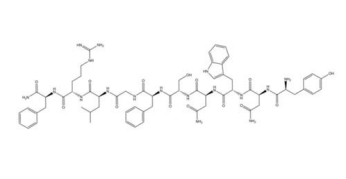
Kisspeptin 10mg/5mL Dosing
Common Questions
Is Kisspeptin used for fertility support?
Yes. Because it stimulates the body's own GnRH signaling, it's sometimes used in fertility-focused protocols for both men and women. Your provider will confirm whether it fits your goals.
How is Kisspeptin different from TRT?
Unlike testosterone replacement, Kisspeptin works upstream to stimulate your body's own hormone production rather than replacing it directly, an option your provider may discuss if preserving natural production matters to you.
Who should avoid Kisspeptin?
Patients with certain hormone-sensitive conditions should discuss Kisspeptin carefully with their provider before starting, since it directly influences reproductive hormone signaling.