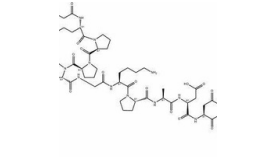
What Is BPC-157
A pentadecapeptide (15 amino acids) derived from human gastric juice, originally discovered in 1993.
How It Works
BPC-157 is a multi-targeted peptide with robust preclinical evidence supporting accelerated healing in soft tissues, muscular, gastrointestinal, and neurological injury, driven by vascular, growth factor, and cellular migratory pathways. While early human data and anecdotal reports are encouraging, especially for tendon, joint, and GI health, clinical evidence remains limited. Emerging use in longevity and sports medicine warrants cautious optimism, balanced by awareness of angiogenic risks, quality control variability, and regulatory non-approval.
Tissue Regeneration & Growth Factor Upregulation
Increases expression of growth hormone receptors in tendon fibroblasts by up to 7-fold, enhancing GH-driven cellular proliferation via JAK2/STAT pathways.
Pro-angiogenic & Vascular Protection
Activates VEGFR2–Akt–eNOS signaling, enhancing angiogenesis in ischemic muscle. Modulates nitric oxide pathways, supporting endothelial function and counteracting oxidative stress.
Cell Migration & Adhesion Pathways
Stimulates FAK/paxillin phosphorylation, aiding cell migration and survival critical in wound and tendon repair.
Anti-inflammatory & Neuroprotective Effects
Modulates inflammatory response, supports healing in tendon, ligament, muscle, bone, skin, GI tract, and the central nervous system.
Gut Integrity & Organ Protection
Maintains gastric mucosa, supports healing in ulcerative colitis and fistulas, stabilizes GI tract barrier.
Benefits
Tissue & Wound Healing
Accelerates repair of tendon, ligament, muscle, skin, bone, cornea (animal studies).
Joint & Tendon Recovery
Knee pain relief: 91.6% of 12 subjects reported significant improvement after intra-articular injection. Anecdotal reports include resolution of tendonitis in ~2 weeks.
Gut & GI Protection
Stable, protective in ulcerative colitis, supports fistula healing and GI integrity.
Neuroprotection & Inflammation Reduction
Protects neurons post–TBI, counters anxiety, alcohol and benzodiazepine toxicity.
Angiogenesis & Vascular Health
Promotes blood vessel growth in injured tissue, improving healing outcomes.
Safety Considerations
Rare side effects (typically dose-dependent or from improper injection):
- Nausea
- Mild headache
- Temporary dizziness
- Injection site irritation
- Use caution in patients on anticoagulants or hypertensive medications, as BPC-157 may influence vascular healing and blood flow
Molecule / Formula