
PE-22-28
Safety Considerations
PE-22-28 is still considered research-based, but preclinical data shows a favorable safety profile. No major side effects have been reported in animal studies, and it does not appear to induce tolerance, withdrawal, or dependency. Mild side effects may include increased emotional sensitivity, vivid dreams, or transient agitation, especially at higher doses. Due to its neurologically active nature, it is best used cyclically or as-needed rather than continuously, especially in individuals with bipolar spectrum conditions or seizure disorders. Always recommended under guidance of a licensed provider familiar with nootropic and neuromodulatory agents.
Molecule / Formula
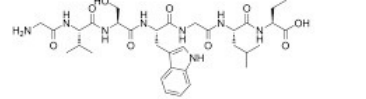
C70H118N24O19
PE-22-28 10mg/5mL DOSING
10 units low dose
15 units moderate dose
20-25 units typical dose
Start low, acclimate, titrate up based on how you feel
What Is the PE-22-28
PE-22-28 is a synthetic peptide fragment derived from spadin, which itself is a derivative of the T-protein sortilin (pro-sortilin). Unlike traditional nootropics or antidepressants, PE-22-28 is being studied for its potent ability to promote neurogenesis, enhance mood stability, and support neuroplasticity all without the side effects commonly associated with SSRIs or dopamine-based therapies. The sequence is relatively short, making it highly bioavailable and fast-acting. It has gained attention as a novel antidepressant and anxiolytic compound due to its unique mechanism targeting TREK-1 potassium channels, which are involved in emotional regulation and neural excitabiliy
How It Works
PE-22-28 works by selectively inhibiting the TREK-1 (TWIK- related K+ channel), a type of potassium channel found throughout the central nervous system. TREK-1 channels modulate neuronal excitability and membrane potential; when overactive, they contribute to depressive states, reduced motivation, and emotional blunting. By blocking TREK-1, PE-22-28 allows neurons to fire more readily, increasing activity in brain regions responsible for emotion, mood regulation, and reward processing particularly in the prefrontal cortex and hippocampus. This leads to increased levels of serotonin and dopamine signaling, without the compensatory receptor downregulation often seen with traditional antidepressants. Preclinical models have shown that PE-22-28 not only improves mood but also enhances neurogenesis, synaptic plasticity, and learning. It appears to produce fast-acting antidepressant effects similar to ketamine, but without hallucinogenic or dissociative side effects.
Benefit
PE-22-28 is emerging as a next-generation neuropeptide with significant therapeutic potential. Documented and potential benefits include:
Fast-acting mood elevation
Reduction in anxiety and stress response
Increased motivation and emotional engagement
Improved neuroplasticity and learning capacity
Support for PTSD, burnout, or trauma-related dysregulation