
Oxytocin
Safety Considerations
Oxytocin is generally well tolerated when dosed appropriately. Potential side effects may include mild headache, flushing, lightheadedness, or temporary emotional sensitivity. Rarely, high doses may cause hypotension or nausea. It should be avoided in pregnant women unless medically indicated. For mood and intimacy protocols, lower doses are typically sufficient and allow for flexible, event-based or cyclical use. Prolonged daily use may lead to receptor desensitization, so intermittent application is often recommended for best results.
Molecule / Formula
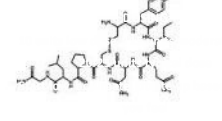
C43H66N12O12S2
OXYTOCIN 10mg/5mL DOSING
10 units low dose
15 units moderate dose
20-25 units typical dose
Start low, acclimate, titrate up based on how you feel
What Is the Oxytocin
Oxytocinisa naturally occurring neuropeptide and hormone composed of nine amino acids (anonapeptide), primarily produced in the hypothalamus and secreted by the posterior pituitary gland. Known as the "bonding hormone" or "love molecule," oxytocin plays essential roles in social bonding, sexual function, emotional regulation, and reproductive physiology. In therapeutic applications, synthetic oxytocin is used to support mood, intimacy, and psychological well-being, as well as in select metabolic and appetite-modulating protocols.
Oxytocin functions by binding to oxytocin receptors (OXTR) found throughout the brain and body, including the limbic system, heart, gastrointestinal tract, and reproductive tissues. In the central nervous system, oxytocin regulates the release of neurotransmitters like dopamine and serotonin, enhancing feelings of trust, connection, and relaxation. In romantic and sexual contexts, oxytocin amplifies arousal, intensifies orgasm, and strengthens partner bonding by influencing reward pathways in the brain. It also reduces activity in the amygdala, blunting fear and anxiety responses, while increasing parasympathetic tone—creating a sense of calm, safety, and connection. Peripherally, oxytocin can affect glucose metabolism, appetite regulation, and even promote mild lipolytic activity. Some studies also suggest it may support wound healing and anti-inflammatory responses, although its central neurological effects remain its most prominent application in peptide therapy.
How It Works
Benefits
Oxytocin’s wide-reaching physiological effects support its use in a variety of clinical and performance-enhancing settings:
Improved emotional bonding and interpersonal connection
Enhanced sexual arousal and orgasm intensity in both men and women
Reduced anxiety and stress by calming the central nervous system
Support for PTSD and trauma recovery via limbic system modulation
Increased empathy, trust, and communication in relationship settings
Potevntial appetite suppression and mild weight regulation effects
Improved sleep quality and parasympathetic restoration
Oxytocin is often used as a nasal spray or subcutaneous injection for fast-acting neurological effects, especially in intimacy related use cases.