
MOTS-c
Safety Considerations
MOTS-c has shown a strong safety profile in preclinical studies and limited human research. Side effects are rare but may include temporary fatigue or mild injection site irritation. Because it modulates key metabolic pathways, it should be used cautiously alongside blood sugar-lowering medications to avoid hypoglycemia.
Molecule / Formula
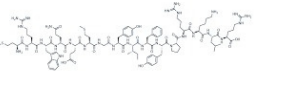
C49H75N17O15
MOTS-c 10mg/5mL DOSING
10 units low dose
15 units moderate dose
20-25 units typical dose
Start low, acclimate, titrate up based on how you feel
What Is the MOTS-c
MOTS-c is a mitochondrial-derived peptide consisting of 16 amino acids. Unlike traditional peptides encoded by nuclear DNA, MOTS-c is encoded by mitochondrial DNA specifically from the 12S rRNA gene making it a unique signaling molecule in the field of metabolic and cellular regulation. It plays a powerful role in mitochondrial function, energy metabolism, insulin sensitivity, and cellular stress adaptation, positioning it at the intersection of anti-aging, performance, and metabolic therapies.
How It Works
MOTS-c enters the nucleus in response to metabolic stress and functions as a regulatory transcription factor, altering gene expression to support cellular homeostasis. One of its core mechanisms is the activation of AMPK (adenosine monophosphate-activated protein kinase), which serves as the body’s metabolic “master switch.” By activating AMPK, MOTS-c promotes fatty acid oxidation, glucoseutilization, and mitochondrial biogenesis, while suppressing fat accumulation and inflammation. It also improves insulin sensitivity and glucose homeostasis by modulating the folate-methionine cycle, influencing genes associated with metabolism and redox balance. In models of metabolic dysfunction, MOTS-c helps reduce insulin resistance, enhance glucose uptake in skeletal muscle, and support lean mass retention even in calorie-restricted or aged environments. Interestingly, MOTS-c appears to act as a mitokine a hormone-like messenger from mitochondria signaling to distant tissues to adapt to energy stress. This function extends its benefits well beyond cellular metabolism, influencing brain function, exercise performance, and age-related decline.
Benefits
MOTS-c has gained attention for its broad-spectrum regenerative and metabolic effects, including:
Improved insulin sensitivity and glucose control
Reduced visceral fat and improved body composition
Enhanced endurance and physical performance
Mitochondrial rejuvenation and anti-fatigue effects
Anti-inflammatory and anti-oxidative support
Resistance to age-related metabolic decline
Potevntial cognitive and neuroprotective benefits in aging , These effects make it especially appealing for those with pre-diabetes, metabolicsyndrome, or age-related loss of muscle and energy.
MOTS-c is also used by athletes and biohackers for its performance- enhancing and fatigue-buffering proper ties.