
LL-37
Safety Considerations
LL-37 is typically well tolerated but can produce injection site irritation, flushing, or mild inflammation in some individuals. Because of its immune-stimulating properties, it should be used cautiously in patients with autoimmune disorders or excessive baseline inflammation. Long-term or high-dose use is not recommended without provider oversight.
Molecule / Formula
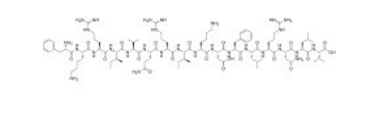
C204H345N55O46
LL-37 5mg/5mL DOSING
10 units low dose
15 units moderate dose
20-25 units typical dose
Start low, acclimate, titrate up based on how you feel
What Is the LL-37
LL-37 is a cationic antimicrobialpeptide (AMP) naturally producedby thehuman body as part of the innate immune response. It is derived from the cleavage of a larger precursor protein called cathelicidin antimicrobial peptide (hCAP-18) and is found in epithelial tissues, bone marrow, and neutrophils. LL-37 plays a critical role in host defense, tissue repair, and immune modulation, making it one of the most versatile peptides in therapeutic use. Its sequence consists of 37 amino acids, beginning with two leucines hence the name LL-37.
How It Works
LL-37 exerts its primary action by disrupting microbial membranes. Its positively charged, amphipathic structure allows it to bind to negatively charged components of bacterial, fungal, and viral membranes, leading to cell lysis and death. This gives LL-37 broad-spectrum antimicrobial activity against pathogens, including antibiotic-resistant strains. Beyond pathogen defense, LL-37 functions as a potent immunomodulator. It recruits and activates immune cells such as monocytes, neutrophils, and T-cells, while modulating the expression of cytokines, chemokines, and inflammatory mediators. It has been shown to suppress excessive inflammation in chronic wounds and autoimmune conditions while enhancing immune responsiveness in acute infections. LL-37 also supports wound healing and tissue regeneration. It promotes angiogenesis, stimulates fibroblast migration, and accelerates re-epithelialization in damaged skin and mucosa. In respiratory tissue, LL-37 helps maintain epithelial barrier integrity, making it of interest in lung injury, chronic sinusitis, and even COVID-related therapies.
Benefits
LL-37 has demonstrated therapeutic potential in a wide variety of clinical settings, including:
Chronic and acute infections (bacterial,viral, fungal)
Wound healing (diabetic ulcers, surgical recovery, skin trauma)
Inflammatory skin conditions (eczema,psoriasis, rosacea)
Biofilm disruption in chronic sinus, dental,and urinary infections Immune modulation in autoimmune and inflammatory conditions Lung and mucosal barrier repair in respiratory illness Becausev it supports the immune system without broadly suppressing inflammation,
LL-37 is often seen as a bridge between antimicrobial treatment and regenerative therapy.