
GHK-Cu
Safety Considerations
GHK-Cu is extremely well tolerated in both topical and injectablev forms. No major side effects have been documented in clinical or preclinical use. However, copper levels in the body should always be monitored during extended systemic use, as excessive copper accumulation can lead to toxicity. When used responsibly and under medical supervision, GHK-Cu is considered safe and highly effective.
Molecule / Formula
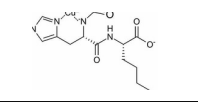
C14H24N6O4·Cu
GHK-CU 50mg/5mL DOSING
10 units low dose
15 units moderate dose
20-25 units typical dose
Start low, acclimate, titrate up based on how you feel
What Is the GHK-Cu
GHK-Cu is a naturally occurring tripeptide (glycyl-histidyl-lysine) that forms a stable complex with copper(II). First isolated from human plasma in the early 1970s, GHK-Cu plays important roles in wound healing, skinregeneration, and anti-aging. Its copper- binding behavior helps regulate enzyme systems and cellular repair pathways.
How It Works
GHK-Cu works by delivering bioavailable copper to cells and activating a cascade of regenerative processes. It increases the production of collagen, elastin, proteoglycans, and glycosaminoglycans—key components of healthy skin and connective tissue. It also modulates enzymes that remodel the extracellular matrix, balancing synthesis and degradation to promote tissue integrity and lasticity. On a deeper level, GHK-Cu has been shown to regulate gene expression. Studies indicate it can reset hundreds of genes related to inflammation, antioxidant defense, cellular repair, and apoptosis. It also enhances the activity of antioxidant enzymes like superoxide dismutase, reducing oxidative stress and protecting against environmental damage. Its copper-binding properties are essential to its function. The peptide coordinates copper through nitrogen atoms in the glycine, histidine, and lysine residues, forming a highly stable square-planar structure. This configuration ensures both bioavailability and biological precision, making GHK-Cu one of the most efficient cellular signaling molecules in regenerative medicine.
Benefits
fits GHK-Cu is widely recognized for its regenerative effects in skin, hair, nerves, and blood vessels.
Topicaluse improves skin elasticity, reduces wrinkles and finelines, lightens hyperpigmentation, and accelerates wound healing.
It has also shown promise in stimulating hair regrowth and thickening by promoting follicular repair.
Beyond aesthetics, GHK-Cu supports recovery from injuries, burns, ulcers, and ischemic damage.
It promotes nerve regeneration, improves capillary formation, and may have neuroprotective effects.
These broad benefits make it useful not only in cosmetic protocols, but also in orthopedic and post-surgical recovery plans