
EPITALON
Safety Considerations
Epitalon has demonstrated a strong safety profile in both animal and early human studies, with minimal to no reported adverse effects. Its antioxidant and anti- inflamvmatory actions appear to support natural hormonal balance and immune regulation. That said, because telomerase activation has been linked to theoretical concerns around uncontrolled cell growth, long-term use should be approached with caution and under clinical supervision. To date, however, studies suggest Epitalon may actually help suppress the development of certain cancers rather than promote them.
Molecule / Formula
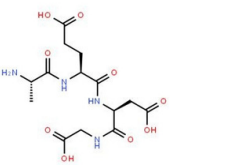
C14H22N4O9
EPITALON 10mg/5mL DOSING
10 units low dose
15 units moderate dose
20-25 units typical dose
Start low, acclimate, titrate up based on how you feel
What Is the EPITALON
Epitalon,alsoknown as Epithalon, is asynthetic tetrapeptide composed of the amino acid sequence Ala–Glu–Asp–Gly (AEDG). Originally derived from a naturally occurring compound in the pineal gland called epithalamin, Epitalon was designed to replicate its regenerative effects.
How It Works
Epitalon’s primary function is the activation of telomerase an enzyme that maintains the length of telomeres, the protective caps at the end of chromosomes. Each time a cell divides, these telomeres shorten, eventually triggering cellular aging and apoptosis when they become too short. By activating telomerase.
Epitalon helps preserve telomere length, which may allow cells to continue dividing healthfully for a longer period. This mechanism is one of the most studied anti-aging pathways in molecular biology. Beyond telomerase activation,
Epitalon appears to regulate gene expression, particularly in stem cells and neurogenic zones of the brain. It has been shown to stimulate genes associated with cellular regeneration and to upregulate neuroplasticity markers such as GAP43 and Nestin. These effects suggest Epitalon may play a role in brain repair and functional longevity.
Epitalon also exerts antioxidant effects, increasing levels of enzymes like superoxide dismutase and glutathione peroxidase. This reduces free radical damage, helps stabilize mitochondrial function, and protects against oxidative stressa key driver of aging and chronic disease. Some studies suggest it may help restore the body's circadian rhythm by normalizing pineal gland activity and melatonin secretion, which often decline with age.
Finally, Epitalon has shown potential to enhance the activity of DNA repair enzymes, further contributing to genomic stability and longevity. Taken together, these mechanisms suggest a multifaceted peptide that works not just by delaying cellular aging, but by actively promoting repair, regeneration, and resistance to age- related degeneration.
Benefit
In preclinical and limited human trials, Epitalon hasshown promising effects on aging and longevity. These include
Lengthening of telomeres
Normalization of circadian rhythms
Improved melatonin production
Enhanced immune function and
protection against age-related retinal degeneration.
Animal studies suggest :
It may extend lifespan,
Inhibit tumor formation, and
Delay the onset of age-related decline in physical and neurological performance.
In human observational studies, long-term Epitalon use has been associated with reduced all-cause mortality over several years.