
DSIP
Safety Considerations
Non-sedating, non-habit forming Rare side effects: vivid dreams, headache, mild grogginess Avoid in patients with epilepsy or severe psychiatric disorders Not FDA-approved for human use; for clinical use under provider oversight only
Molecule / Formula
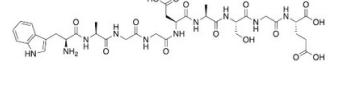
C35H48N10O15
DSIP 10mg/5mL DOSING
10 units low dose
15 units moderate dose
20-25 units typical dose
Start low, acclimate, titrate up based on how you feel
What Is the DSIP
Delta Sleep-Inducing Peptide(DSIP) is a naturally occurring neuropeptide first isolated in the 1970s for its potent sleep promoting properties. Unlike conventional sedatives, DSIP works by gently modulating the sleep cycle especially promoting delta wave (deep) sleep without suppressing REM or causing next-day grogginess.
How It Works
DSIP operates through several key pathways:
Sleep Regulation: Enhances slow-wave (delta) sleep and promotes sleep onset without acting as a direct sedative.
Hypothalamic Modulation: Balances hormonal rhythms, potentially aiding in stress reduction and circadian alignment.
Neuroprotective Effects: DSIP has demonstrated antioxidant properties and may reduce excitotoxicity in the central nervous system.
Cortisol & Stress Modulation: Helps normalize stress-related hormonal patterns, making it useful in individuals with sleep disturbances linked to HPA axis dysregulation.
Promotes delta wave (slow-wave) sleep without suppressing REM
Modulates CRF (corticotropin-releasing factor) to reduce cortisol Regulates circadian rhythms and melatonin secretion
Interacts with NMDA and GAB receptors to reduce excitotoxicity
Shows antioxidant and neuroprotective activity in CNS models
Benefit
Enhances deep, restorative sleep
Reduces stress-related sleep disturbances
Supports hormonal balance and circadian regulation
May improve mental clarity, mood, and daytime energy via better sleep quality
Non-sedative option for sleep support protocols