
Adipotide
Safety Considerations
Because Adipotide causes programmed cell death in fat tissue, it carries a higher side effect profile than most peptides. Early research reported mild renal stress markers (increased creatinine or BUN) during higher dosing protocols in primates, but these were generally reversible upon discontinuation. Due to its mechanism, careful hydration, liver and kidney function monitoring, and medical supervision are strongly advised. Dosing is cyclical, often limited to 2–4 weeks followed by rest periods to avoid systemic burden. Adipotide is still under clinical investigation and not FDA-approved for general use, though it is accessible through certain advanced compounding pharmacies in research or investigational contexts.
Molecule / Formula
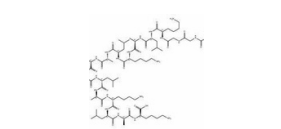
C60H91FN18O14
ADIPOTE 10mg/5mL DOSING
10 units low dose
15 units moderate dose
20-25 units typical dose
Start low, acclimate, titrate up based on how you feel
What Is the Adipotide
Adipotide (also known as FTP-11) is an experimental peptidomimetic compound originally developed to induce targeted fat cell apoptosis—a direct approach to fat loss that works differently than typical metabolic or hormonal methods. Instead of modulating metabolism or appetite, Adipotide acts like a precision-guided missile, identifying and disrupting blood supply to white adipose tissue, causing fat cells to die and be naturally eliminated from the body. This makes Adipotide uniquely aggressive and highly selective, particularly for visceral fat—the dangerous type of fat surrounding organs that’s strongly linked to insulin resistance, cardiovascular disease, and inflammation.
How It Works
Adipotide is a synthetic peptide-fatty acid conjugate engineered to bind to specific receptors on the vasculature of white adipose tissue—namely Prohibitin (PHB) and ANXA2. These receptors are overexpressed in blood vessels that feed fat cells. Once bound, Adipotide disrupts mitochondrial function in these blood vessels, causing them to collapse. This cuts off the blood supply, which leads to selective apoptosis (cell death) of the surrounding fat tissue. The body then clears out the dead fat cells via natural immune pathways, reducing overall fat mass—especially in the abdominal cavity, liver, and around vital organs. This fat loss is independent of caloric intake or hormonal pathways like insulin, GLP-1, or GH.
Benefits
Visceral fat decrease (primates): 11% body weight loss and significant abdominal fat volume decline
Metabolic enhancements: Improved insulin resistance—up to 50% reduction in insulin use—better glucose tolerance, lower triglycerides
Obesity-vspecific action: No adverse effects on lean animals, indicating targeted efficacy